
• de
  • fr
  • it
  • en
  • Laureates
    • Prize 2025
    • Laureate 2025
    • Past laureates
    • Subsequent Nobel Prize laureates
  • Nomination
    • Nomination 2026
  • The award ceremony
    • The award ceremony 2025
    • The award ceremony 2024
    • The award ceremony 2023
    • The award ceremony 2022
    • The award ceremony 2021
    • The award ceremony 2020
    • The award ceremony 2019
    • The award ceremony 2018
    • The award ceremonies of the past
  • Activities
    • Lecture 2026
    • Workshop 2025
    • Lecture 2025
    • Workshop 2024
    • Lecture 2024
  • Marcel Benoist
    • The founder
    • The legacy
  • Foundation
    • Foundation
    • News
    • Board of Trustees
    • Patronage Committee and Friends
    • Create excellence!
    • Foundation assets
    • Contact
  • Laureates
    • Prize 2025
    • Laureate 2025
    • Past laureates
    • Subsequent Nobel Prize laureates
  • Nomination
    • Nomination 2026
  • The award ceremony
    • The award ceremony 2025
    • The award ceremony 2024
    • The award ceremony 2023
    • The award ceremony 2022
    • The award ceremony 2021
    • The award ceremony 2020
    • The award ceremony 2019
    • The award ceremony 2018
    • The award ceremonies of the past
  • Activities
    • Lecture 2026
    • Workshop 2025
    • Lecture 2025
    • Workshop 2024
    • Lecture 2024
  • Marcel Benoist
    • The founder
    • The legacy
  • Foundation
    • Foundation
    • News
    • Board of Trustees
    • Patronage Committee and Friends
    • Create excellence!
    • Foundation assets
    • Contact

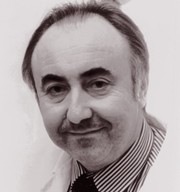
Bernard Rossier

Laureate 1996: Bernard Rossier

“…for his pivotal work in explaining the biochemical and molecular mechanisms that control the balance of water and mineral salts in the cells of living organisms. Professor Rossier’s work is a prime example of the unexpected impact that basic research can have on solving clinical issues: understanding the structure and function of the specialised ducts in the cellular membrane that control the transfer of sodium shed new light on the development of arterial hypertension and its treatment.”

Bernard Rossier untersuchte vor allem zwei Natriumtransporter: eine Natriumpumpe, die (Na+, K+)/ATPase, und den Amilorid empfindlichen Natriumkanal. Dank der Kombination von Techniken aus der Molekularbiologie und der Zellphysiologie konnte er die Struktur dieser beiden Komplexe auflösen, die beide aus mehreren Proteinuntereinheiten bestehen. Es ist ihm auch gelungen, ihre veränderten Formen in seltenen Fällen genetisch bedingten arteriellen Bluthochdrucks zu beschreiben. So ist beispielsweise der Bluthochdruck im Zusammenhang mit dem Liddle-Syndrom auf die anhaltende und autonome Wirkung des Amilorid empfindlichen Kanals zurückzuführen, was gleichzeitig auch die spektakuläre therapeutische Wirkung dieser Substanz bei diesen Patienten erklärt. Obwohl sich das medizinische Interesse dieser Entdeckung auf eine kleine Gruppe von Patienten mit dem Liddle-Syndrom beschränkt, erweitert der dank dieser Arbeit gelungene Nachweis der unkontrollierten Wirkung eines Natriumkanals als Ursache von Bluthochdruck unsere Kenntnisse über die Mechanismen, die diese Anomalie hervorrufen können und ermöglicht neue therapeutische Ansätze bei den sehr viel häufigeren, nicht erblichen Formen.

Contact

Marcel Benoist Foundation
State Secretariat for Education,
Research and Innovation SERI
Einsteinstrasse 2
CH – 3003 Bern

  • Legal notice