

• de
  • fr
  • it
  • en
  • Laureates
    • Prize 2025
    • Laureate 2025
    • Past laureates
    • Subsequent Nobel Prize laureates
  • Nomination
    • Nomination 2026
  • The award ceremony
    • The award ceremony 2025
    • The award ceremony 2024
    • The award ceremony 2023
    • The award ceremony 2022
    • The award ceremony 2021
    • The award ceremony 2020
    • The award ceremony 2019
    • The award ceremony 2018
    • The award ceremonies of the past
  • Activities
    • Workshop 2025
    • Lecture 2025
    • Workshop 2024
    • Lecture 2024
  • Marcel Benoist
    • The founder
    • The legacy
  • Foundation
    • Foundation
    • News
    • Board of Trustees
    • Patronage Committee and Friends
    • Create excellence!
    • Foundation assets
    • Contact
  • Laureates
    • Prize 2025
    • Laureate 2025
    • Past laureates
    • Subsequent Nobel Prize laureates
  • Nomination
    • Nomination 2026
  • The award ceremony
    • The award ceremony 2025
    • The award ceremony 2024
    • The award ceremony 2023
    • The award ceremony 2022
    • The award ceremony 2021
    • The award ceremony 2020
    • The award ceremony 2019
    • The award ceremony 2018
    • The award ceremonies of the past
  • Activities
    • Workshop 2025
    • Lecture 2025
    • Workshop 2024
    • Lecture 2024
  • Marcel Benoist
    • The founder
    • The legacy
  • Foundation
    • Foundation
    • News
    • Board of Trustees
    • Patronage Committee and Friends
    • Create excellence!
    • Foundation assets
    • Contact

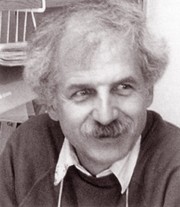
Ulrich Lämmli

Laureate 1988: Ulrich Lämmli

“For developing a widely-used method to separate and characterise proteins and for his outstanding research into the structure of cell nuclei.”

Ein erster Bereich von L.s preisgekröntem Werk umfasst seine Beiträge zur molekularbiologischen Methodologie. Das SDS-PAGE-System nach L. gilt als das am weitesten verbreitete System der Proteinanalytik mittels Gelelektrophorese. Mit diesem Verfahren kann ein Gemisch verschiedener Eiweisse ihrer Grösse nach aufgetrennt werden, indem bei Anlegung einer elektrischen Spannung in pudding-artigem Gel die Wanderungsgeschwindigkeit der Proteine in Abhängigkeit ihrer Grösse zu beobachten ist. Kaum ein medizinisches oder biologisches Forschungslabor komme heute, so die Gutachter, ohne diese Standardmethode zur Bestimmung des Molekulargewichts von Proteinen aus. Der zweite Bereich betrifft L.s Forschungen zum Aufbau des Zellkerns und zur Struktur der Chromosomen. Durch eine Kombination elektronenmikroskopischer und biochemischer Untersuchungen konnte er zeigen, dass die Zellkernsubstanz (DNS) in der Form von Fadenschlingen (Laemmli loops) an einem Eiweissgerüst festgemacht ist.

Contact

Marcel Benoist Foundation
State Secretariat for Education,
Research and Innovation SERI
Einsteinstrasse 2
CH – 3003 Bern

  • Legal notice