
• de
  • fr
  • it
  • en
  • Laureates
    • Prize 2025
    • Laureate 2025
    • Past laureates
    • Subsequent Nobel Prize laureates
  • Nomination
    • Nomination 2025
  • The award ceremony
    • The award ceremony 2024
    • The award ceremony 2023
    • The award ceremony 2022
    • The award ceremony 2021
    • The award ceremony 2020
    • The award ceremony 2019
    • The award ceremony 2018
    • The award ceremonies of the past
  • Activities
    • Workshop 2025
    • Lecture 2025
    • Workshop 2024
    • Lecture 2024
  • Marcel Benoist
    • The founder
    • The legacy
  • Foundation
    • Foundation
    • News
    • Board of Trustees
    • Patronage Committee and Friends
    • Create excellence!
    • Foundation assets
    • Contact
  • Laureates
    • Prize 2025
    • Laureate 2025
    • Past laureates
    • Subsequent Nobel Prize laureates
  • Nomination
    • Nomination 2025
  • The award ceremony
    • The award ceremony 2024
    • The award ceremony 2023
    • The award ceremony 2022
    • The award ceremony 2021
    • The award ceremony 2020
    • The award ceremony 2019
    • The award ceremony 2018
    • The award ceremonies of the past
  • Activities
    • Workshop 2025
    • Lecture 2025
    • Workshop 2024
    • Lecture 2024
  • Marcel Benoist
    • The founder
    • The legacy
  • Foundation
    • Foundation
    • News
    • Board of Trustees
    • Patronage Committee and Friends
    • Create excellence!
    • Foundation assets
    • Contact

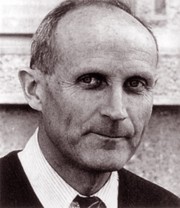
Alfred Tissières

Laureate 1966: Alfred Tissières

“[…] for their parallel research activities dedicated to a common field – molecular biology. This new science sought to bridge the gap between the morphological image and biophysical and biochemical phenomena. The discoveries made by these scientists in their research into bacteria and viruses are key to a better understanding of biological phenomena.”

Die Gutachter erachteten T.s Leistungen gleich in zwei Bereichen als preiswürdig. Eine erste Gruppe umfasst Untersuchungen zum System der Energiegewinnung der Zelle (Respirationsenzyme, v.a. Cytochrome von Mikroorganismen). T.s zweites Forschungsgebiet betrifft die molekularen Grundlagen der Vererbung, insbesondere die Proteinsynthese in ihrer Abhängigkeit von den Nukleinsäuren der Zelle. Die dafür notwendige Beherrschung einer anspruchsvollen experimentellen Technik sowie seine ausgedehnten biochemischen und biophysikalischen Kenntnisse habe T. mit seinem Werk hervorragend unter Beweis gestellt.

Contact

Marcel Benoist Foundation
State Secretariat for Education,
Research and Innovation SERI
Einsteinstrasse 2
CH – 3003 Bern

  • Legal notice