

• de
  • fr
  • it
  • en
  • Vincitori del premio
    • Premio 2025
    • Vincitore 2025
    • Vincitori precedenti
    • Più tardi vincitori di premi Nobel
  • Candidature
    • Candidature 2025
  • Premiazione
    • La premiazione 2025
    • La premiazione 2024
    • La premiazione 2023
    • La premiazione 2022
    • La premiazione 2021
    • La premiazione 2020
    • La premiazione 2019
    • La premiazione 2018
    • La premiazione nel passato
  • Attività
    • Workshop 2025
    • Lecture 2025
    • Workshop 2024
    • Lecture 2024
  • Marcel Benoist
    • Il fondatore
    • Il lascito
  • Fondazione
    • La fondazione
    • Attuale
    • Consiglio di fondazione
    • Il Comitato di patrocinio e sostenitori
    • Sostenete l’eccellenza!
    • Il patrimonio della fondazione
    • Contatto
  • Vincitori del premio
    • Premio 2025
    • Vincitore 2025
    • Vincitori precedenti
    • Più tardi vincitori di premi Nobel
  • Candidature
    • Candidature 2025
  • Premiazione
    • La premiazione 2025
    • La premiazione 2024
    • La premiazione 2023
    • La premiazione 2022
    • La premiazione 2021
    • La premiazione 2020
    • La premiazione 2019
    • La premiazione 2018
    • La premiazione nel passato
  • Attività
    • Workshop 2025
    • Lecture 2025
    • Workshop 2024
    • Lecture 2024
  • Marcel Benoist
    • Il fondatore
    • Il lascito
  • Fondazione
    • La fondazione
    • Attuale
    • Consiglio di fondazione
    • Il Comitato di patrocinio e sostenitori
    • Sostenete l’eccellenza!
    • Il patrimonio della fondazione
    • Contatto

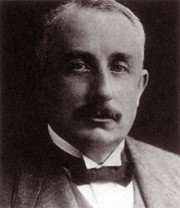
Charles Dhéré

Premiato 1937: Charles Dhéré

«[…] per la sua opera sulla fluorescenza in biochimica, in cui l’autore illustra i risultati spettrochimici ottenuti durante venticinque anni di ricerche sperimentali. Questi risultati sono molto importanti non solo per le discipline fisico-chimiche ma anche per tutte le scienze biologiche e in particolare per la medicina.»

Die Gutachter waren sich einig, dass D.s Arbeit ein Standardwerk für die Technik der Fluoreszenzbestimmung darstelle, also für die quantitative Bestimmung oder den qualitativen Nachweis von sehr geringen Stoffmengen. Bei dieser Technik werden die zu bestimmenden Verbindungen auf chemischem Weg in fluoreszierende Körper überführt und können auf diese Weise bestimmt werden. D. habe die Analysetechnik nicht nur entschieden verfeinert (Tieftemperaturen), sondern als erster die vorher kaum bekannte infrarote Fluoreszenz untersucht. Die Methode, die sich durch eine hohe Empfindlichkeit auszeichnet, komme nicht nur der Chemie, sondern auch der Medizin zugute, da damit beispielsweise auch in vivo Porphyrine, Urobilin, Bilirubin und gewisse Bakterien nachgewiesen werden können.

Contatto

Fondazione Marcel Benoist
Segreteria di Stato per la formazione,
la ricerca e l’innovazione SEFRI
Einsteinstrasse 2
CH – 3003 Berna
Svizzera

  • Informazione legale